Showing posts with label business development. Show all posts

Tuesday, May 16, 2017

Noting The Critical Stages In Business Development

For all intents and purposes, setting up a business is always a gamble. Members of the organization inevitably face the realities of risk, and this is why it is important to be aware of the critical stages of business development.

Image source: powerstartgroup.com


1. Start-Up Stage

As with all things, birth is always the first milestone. This is where most of the concepts and ideas are formed, along with the commitment to get a clear vision of the future in view early on. At this point, business owners make the best effort to build a customer base, and the first batch of stock is purchased here, too.

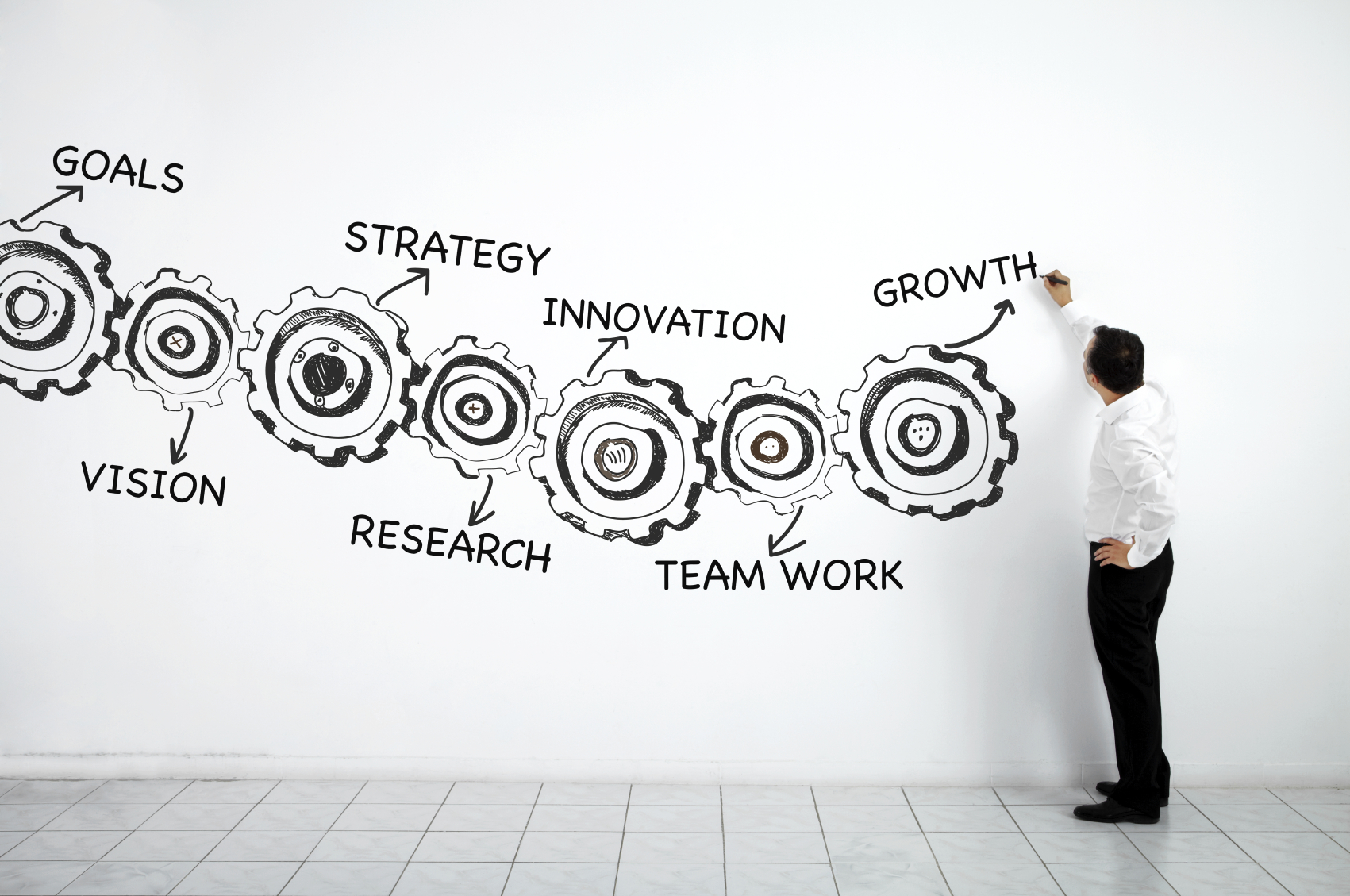
2. Growth Stage

Growth is defined by expanded capabilities as a result of proper preparation done in the previous stage. Here, a company may reap a few low-lying fruits. Also, it gives the company an idea as to whether they have done right or wrong. This is the period of many opportunities to make adjustments.

3. Maturity Stage

The maturity stage is characterized by the company running like a well-oiled machine and operations have reached a predictable point. The company sustains itself and increases its capabilities. If things are going well, the company can either choose to expand with much bigger steps like buying more assets, or it may even be sold at a profit.

Image source: bethelsplace.org


4. Decline Stage

The decline stage is one which no company aspires for, because this would lead to its closure. It may reveal gaps in management, a state of irrelevance for the product, or a high level of attrition. It may sound pessimistic, but it is good to note this so that when early signs appear, steps can be made to avert it.

Steven Rinder is a leader is business development. In his spare time, he likes to run. For more about Steven, find him on Pinterest.




Wednesday, December 14, 2016

The role of customer decision journey in business development

Ever since it was developed, the sales funnel system has been the primary framework in business development. It is the process of finding and connecting with prospects to turn them into leads, and eventually to customers and repeat buyers. It has been the ideal setup, for a long time, in ensuring that a business avoid losing or “spilling” potential customers – individuals or other businesses.

The concept stems from the marketing tool AIDA, which means attention, interest, desire, action, and has the objective of building customer relationships.

Image source: digitaltonto.com


In the modern environment, though, the sales and marketing process is anything but linear, which is an assumption in the sales funnel system. There is a need for businesses to determine the different factors that affect customer behaviors to make sure that marketing resources and effort spent are converted into real sales.

This is where the customer decision journey (CDJ) steps in.

CDJ veers away from the funnel and focuses on the “circular” or looping journey a customer undergoes in deciding to purchase a product or service. Its phases are the following: initial consideration of the brand or supplier, active evaluation or information gathering about potential purchases, closure of the transaction, and post-purchase wherein the consumer experiences the product or service.

Image source: ijad.co


By applying CDJ, a business can find out what matters to consumers, where to channel resources to maximize results, and foster a healthy relationship between marketing and sales.

Business executive Steven Rindner has a strong background in business and corporate development and growth strategy across various industries, namely, healthcare, media, technology, and real estate. Subscribe to this blog for more business articles.